Advertising - On the set pages this post links to, BrickDb earns commissions through shop links; the price does not change for you. The text was written with AI assistance from BrickDb's own data; every figure and date comes from that data and is inserted by us.
A LEGO set still on your wanted list becomes a different decision when its last day on sale draws near. This week’s BrickDb tables cover sets approaching retirement or recently retired, alongside their observed market values. Week 48 runs from 2026-11-23 to 2026-11-29. That gives this post its time frame, but not a prediction about what happens next. If you collect as well as build, the useful question is how the retirement date fits your plans. You may want a box to open on a quiet afternoon, or a set to keep sealed. The tables below help you consider those choices by putting the end of regular sale beside evidence from the market.
Retirement means the end of a set’s regular sale. It does not mean that every existing box disappears on that date, or that collectors can no longer pass their copies on. Stock already held can remain available, and sets can continue to change hands after retirement. Nor does retirement itself promise an increase in value. It tells you something about the set’s place in the current range, not what a future buyer will be willing to pay. This distinction matters because a date can feel much more decisive than it really is. Treat it as a useful part of the description. Your reason for wanting the set still needs to stand on its own, apart from the fact that its regular sale is ending.
The final weeks before that happens are useful for reviewing a wanted list. A set you have genuinely been planning to build may deserve some attention rather than another vague promise to look later. That is different from buying because a deadline makes you uneasy. Ask where the finished build would go, when you would open the box and whether you have room to keep it. If you prefer sealed sets, think about storage rather than just the pleasure of adding another box. These are ordinary collecting questions, but retirement can push them out of view. Bring them back before deciding. A purchase should make sense for your collection even without the feeling that you need to act before something ends.
Look for the last day on sale in the tables below. Read that date as a guide to the end of regular sale, not as a promise of availability until then. It also cannot tell you how long existing copies might remain in circulation afterwards. A date that has passed places the set on the retired side of that boundary. A date still ahead can help you organise your plans. Neither tells you everything about a particular box you might be considering. Keeping those limits clear makes the date more useful. You can use it to decide what to investigate next without treating it as a countdown that settles the whole purchase for you. Timing and availability are related questions, but they are not the same question.
Beside the retirement information, the tables show the market value BrickDb has observed. This is an indication drawn from recorded sales, rather than simply what an owner hopes to receive. An asking figure describes a seller’s intention; a completed sale provides evidence of an actual transaction. Even then, an observed value is not a fixed offer for your copy or a promise about your next purchase. For a specific set, condition, completeness and whether the box has been opened can matter. Check those details separately when considering an actual item. The table gives you a starting point for understanding the market. It does not inspect the copy in front of you, and it should not replace your own checks before you make a decision.
The sales count belongs in that same reading, and you will find it alongside the value. Do not skip it just because the value catches your eye first. When the count is small, an unusual transaction can have a substantial influence on the result. That leaves more room for uncertainty about how well the figure represents other copies. More recorded sales provide a broader basis, but they still cannot promise a particular outcome for you. I would read the value and its supporting count together before attaching much importance to either. If the evidence looks thin, waiting for another view is a reasonable choice. There is no need to turn a neat-looking figure into a firm belief about a set’s future simply because it appears in a table.
The change shown with the value adds another piece of context. It describes movement in the observed figure, not a forecast for life after retirement. Demand can affect values, but the sales captured and the characteristics of the items sold can also affect what you see. Without further evidence, the cause should remain an open question. Read the change together with the current value and the sales count rather than letting it speak for the whole row. A noticeable movement might prompt you to investigate. It does not, by itself, tell you to buy, sell or leave a box sealed. A weekly snapshot is helpful precisely when you remember that it is a snapshot, with limits as well as useful information.
For a set you are thinking of buying, start with what you want to do with it. If building is the point, consider whether the model will give you the sort of building time and display space you enjoy. If keeping it unopened is the plan, think about suitable storage and whether you are comfortable holding it without an expected gain. Check the description of the actual copy, including its condition and completeness. Then ask yourself whether you would still be happy with the purchase if its market value did not rise. That question takes some pressure out of retirement decisions. The date may explain why you are looking now, but your interests and circumstances should explain why you choose to buy.
Already owning a retired set calls for much the same care. You do not have to change your plans merely because a new value appears beside its name. Keeping it, opening it and considering a sale are different choices, each with practical consequences beyond the weekly figures. A possible sale also depends on the agreement reached for your particular copy, not just the table’s indication. As you move into the tables below, use the pictures and names to identify the entries that interest you. Check the last day on sale, then read the observed value, supporting sales count and change as a group. That keeps the retirement information connected to its evidence while leaving room for the reason you collected the set in the first place.
Retiring sets: DE market, values in EUR
| Picture | Set | Last day on sale | Median price (30 days) | Sales | Change on the week before | |
|---|---|---|---|---|---|---|
 | Epic Battle: Spider-Man vs. Sandman (76334-1) | 16 November 2026 (retired) | - | - | - | Set page |
 | Super Heroes Marvel Advent Calendar 2026 (76340-1) | 16 November 2026 (retired) | - | - | - | Set page |
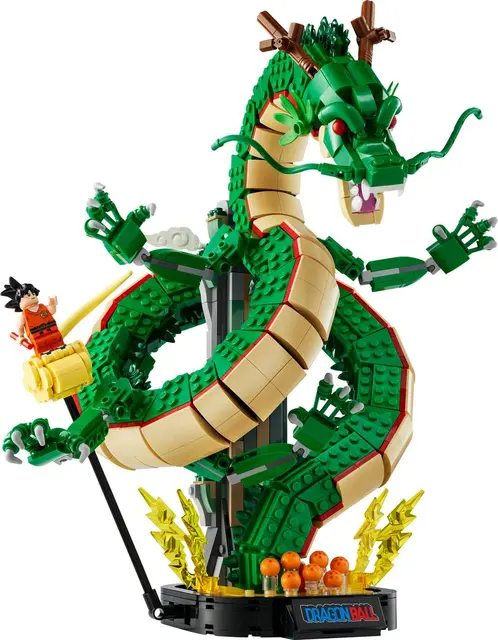 | Dragon Ball: Shenron & Goku (11390-1) | 18 November 2026 (retired) | - | - | - | Set page |
 | Jay's Transforming Car (71856-1) | 19 November 2026 (retired) | - | - | - | Set page |
 | Sonic: Speedster Lightning (77117-1) | 19 November 2026 (retired) | - | - | - | Set page |
 | Cozy Plants (10371-1) | 21 November 2026 (retired) | - | - | - | Set page |
 | Motorcycle Transporter (60491-1) | 21 November 2026 (retired) | - | - | - | Set page |
Date: last day on sale in the DE market, as listed by Brickset. Median price: completed sales of new sets over the 30 days up to 23 November 2026, with their number; change: against the 30 days up to 16 November 2026. A dash means too few sales for a median.
Product images: Rebrickable
LEGO® is a trademark of the LEGO Group of companies. The LEGO Group does not sponsor, authorise or endorse this application.